Seven days of sensory experiences
By JC Church, Connor Reichert and Sofia Santiago
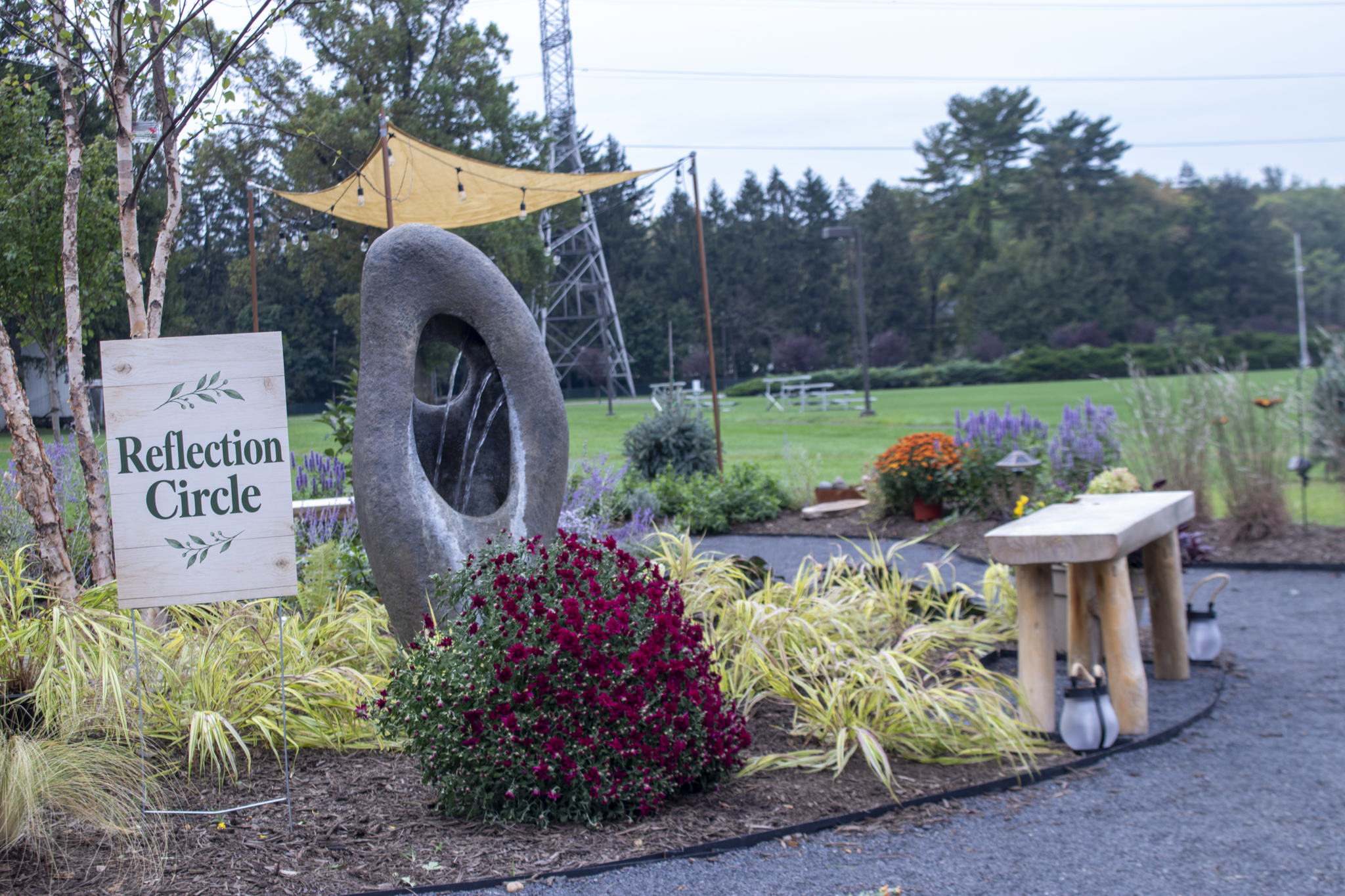
Following the grand opening of the new Sensory Garden, Rider’s Counseling Center hosted a full week of events, targeting the five senses.
Sept. 30 was the “forest bathing” event at 9:15 a.m. Immersing attendees in the sights and sounds, the event allowed them time to admire the woodland bordering the Sensory Garden.
Jill Siletski, associate director of counseling and outreach, led tours of the garden and explained the intention behind its design.
“We call it a sensory garden because it’s meant to engage the different senses,” Siletski said.
The Sensory Garden brought attention to the space with a new way to relax and take time to self-reflect on campus, whether it be with friends or much needed time to get away from all the stressors of college life. The area beautifully displays plants, sounds and fragrances that bring cozy feelings that college students often need.
These interactive elements were intentionally selected and arranged to create a therapeutic experience. Many of the plants are native, and each component of the garden was chosen with sensory engagement in mind.
These scents hit the nose and immerse guests, welcoming a warm, comforting experience, especially when it comes to plants, such as lavender, mountain mint, Russian sage, bee balm and hyssop.
The space also includes plants that attract pollinators and other insects, allowing students to observe nature as part of their experience.
“Everything that is in the garden has been planted and placed with intention and chosen with intention to make sure it engages senses we find to be therapeutic,” Siletski said.
The activity on Oct. 1 featured “flow on the lawn,” where yoga practice took place. Attendees could bring their own yoga mats or use the ones provided.
On Oct. 2, the Counseling Center hosted a mindful walk through the garden, where they encouraged participants to listen to the sounds around the space.
The garden is intended to offer students a place where they can slow down, reconnect with their surroundings and find a sense of calm.
“The goal is to bring peace and make you feel relaxed and calm, depending on any different level you prefer,” Siletski said.
One of the garden’s key sensory experiences involves touch, where students can explore the different textures of plants, including lamb’s ear.
“So if you find yourself feeling stressed, overwhelmed, frustrated, upset, this might be the plant that relaxes you because it’s nice, soft and fuzzy,” Siletski said.
The grass species within the garden’s grounding pad is Japanese forest grass that feels soft under the feet. The presence of the plants within the soil emphasizes the present moment and gives a relaxing vibe as the nature around catches the eye.
Oct. 3 was a sensory-sound experience and on Oct. 4, there was a stone-stacking and rake and release event.
The garden also incorporates other interactive elements, including beads and sound, allowing visitors to engage multiple senses simultaneously.
“You can try feeling the beads, but also there is sound attached to it,” Siletski said. “You’re engaging the different senses, and it’s a great place to pause, start your release and begin to experience the sensations of the garden.”
In addition to providing a space for observation and relaxation, the Sensory Garden offers opportunities for students to participate directly in gardening activities.
“We do offer mindful watering and gardening if students are interested,” Siletski said.
Mindful gardening encourages students to focus their attention on simple tasks and the experience of working with plants. Activities such as weeding can become opportunities for students to slow down and concentrate on the present moment.
Oct. 5 was a Sensory Garden scavenger walk starting at 11 a.m., providing the opportunity to fully explore the garden and potentially discover something new.
Siletski highlighted the garden’s climbing plants and other features that encourage students to interact with the environment and observe how the garden changes over time.
The Sensory Garden is designed, not only as a place for relaxation, but also as an opportunity for students to explore creativity and connect with nature.
“I feel like it’s a good experience to learn about it because we might like the fact that everything is smooth and has its place,” Siletski said. “Being able to actually make and create has its own positive chaos.”
Through its combination of plants, textures, sounds and opportunities for hands-on participation, the Sensory Garden provides members of the Rider community with a space to pause, explore and experience the natural environment in a new way.
For students, the garden offers a new place to relax and spend time outdoors.
Cheyenne Cope, a junior graphic design major, appreciated the variety of activities and spaces available throughout the garden.
“I think it’s pretty cool. I think there is a lot of stuff that people can use here, especially the bean bags and Zen garden. I also really like the curtain with the beads,” Cope said.
Elecita Williams, a senior biology major, said she was immediately drawn to the peaceful atmosphere.
Williams also said she enjoyed the garden’s natural features, including its mushrooms and edible bell peppers, as well as the opportunity to sit and play the drums.
“I love it. This is my new favorite place,” Williams said. “It’s very peaceful, and I would definitely come here all the time to study, chill and have a peace of mind.”